Role:
Post Graduate Researcher
Where:
Research Institute for Digital Culture, University of Leicester
When: 1 February 2024
Virtual Vessels and Tangible Touch: Slow Engagement in the Digital Era
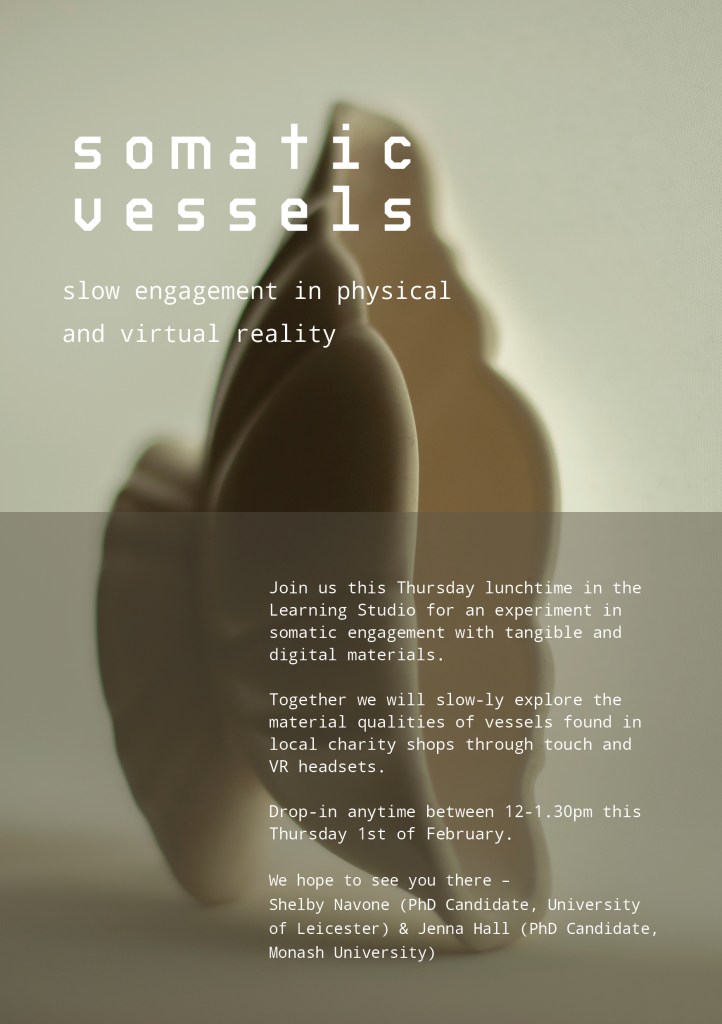
What unfolds when one pauses to slowly engage all senses with material objects in both physical and virtual realms? This question took centre stage at ‘Somatic Vessels,’ a collaborative event recently organised by Jenna Hall, a PhD Candidate in the Faculty of Art, Design and Architecture (MADA) at Monash University, Australia, and myself—Future 50 PhD Candidate Shelby Navone and Fellow of the Institute for Digital Culture.
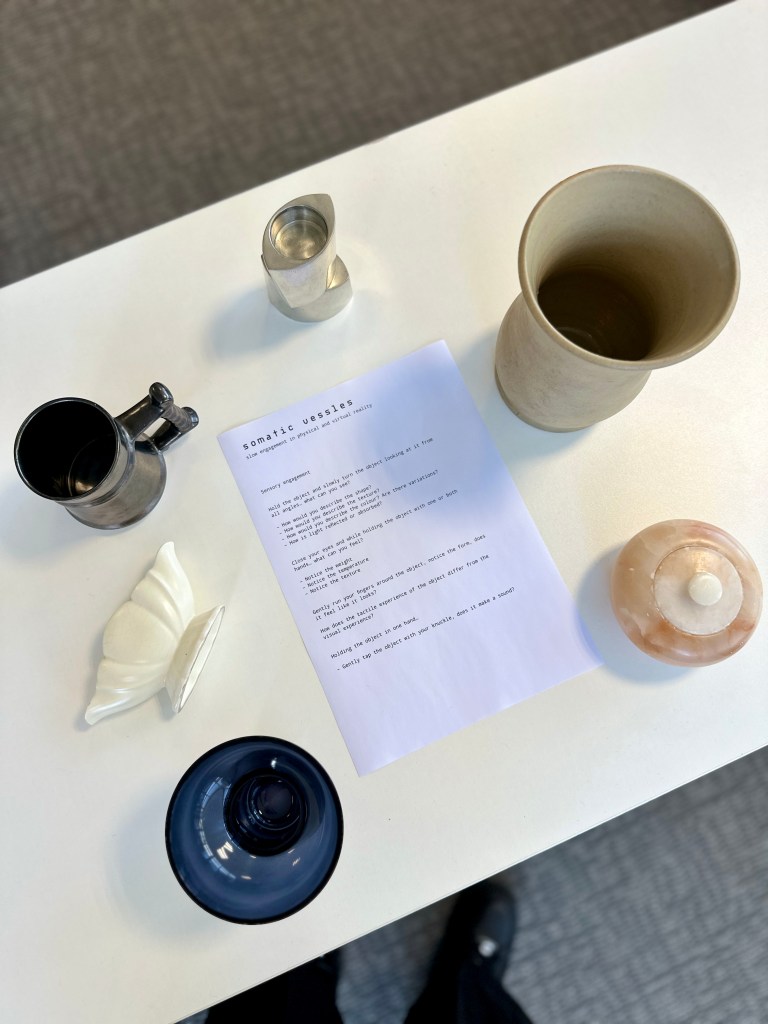
Held as a pop-up event within the Museum Studies department at the University of Leicester, ‘Somatic Vessels’ invited participants to embark on a sensory experience, exploring the worlds of tangible and virtual objects. Through tangible vessels sourced from Leicester charity shops, interactive 3D scans in Augmented Reality (AR), and a creative environment in Virtual Reality (VR), attendees experienced an immersive afternoon.
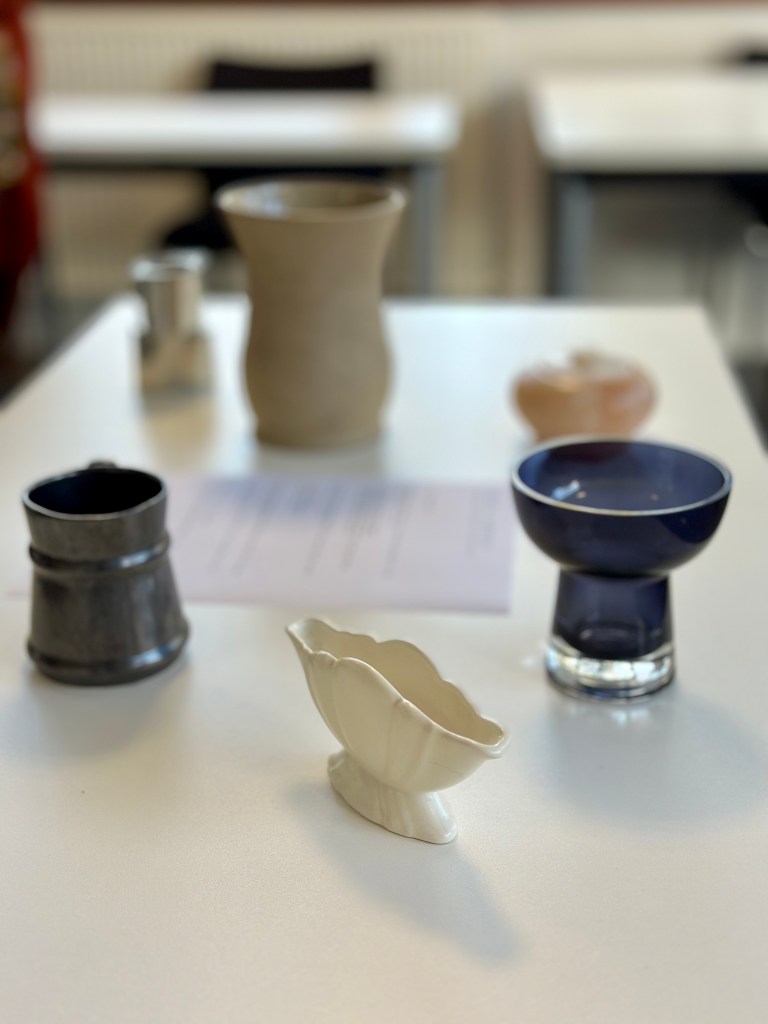
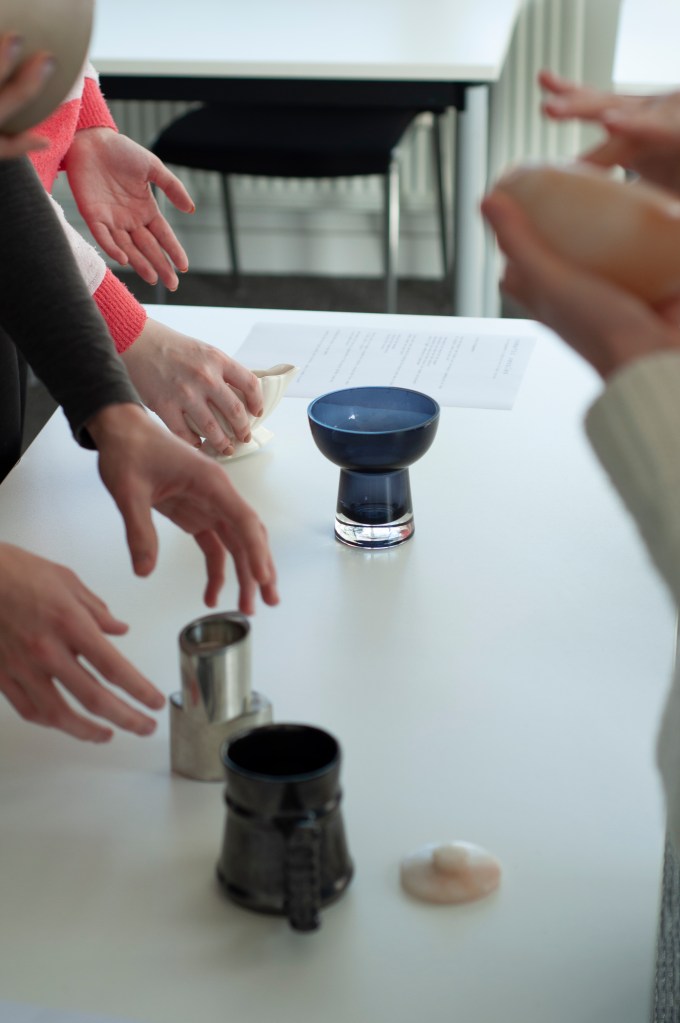
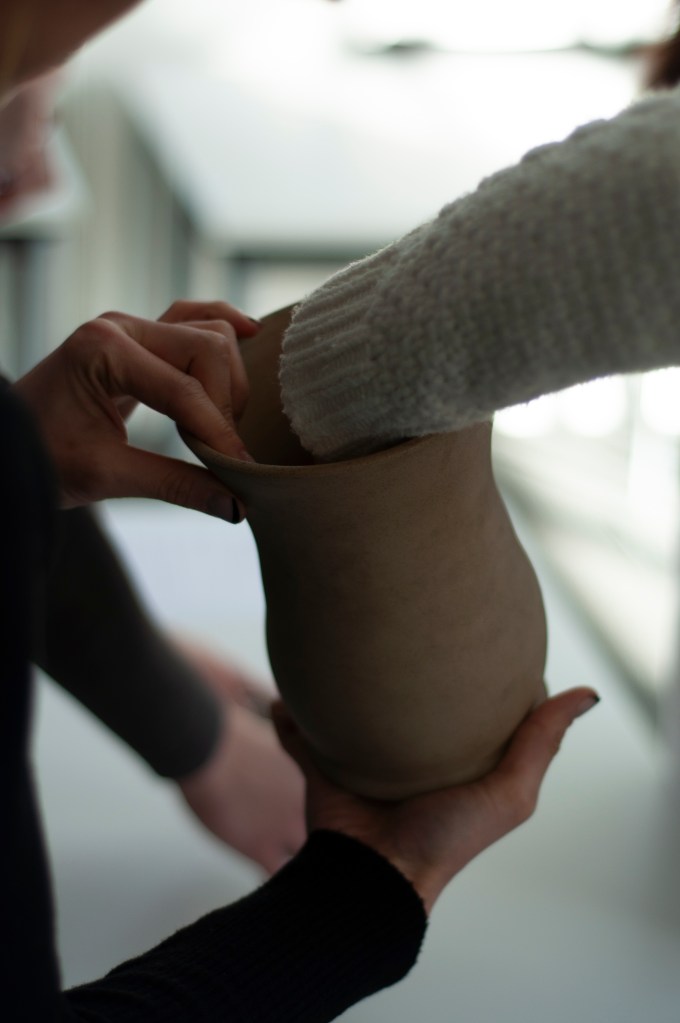
In the first segment, seen above, visitors interacted with a curated selection of vessels, each acquired from local charity shops. Guided by multi-sensory prompts and thoughtful questions, they mindfully engaged with the objects.
The experience made me consider how I view objects and how I interact with them, or in certain cases, do not interact with them. It made me think about [how] my height and shape influences the way I look at objects, and how this has an impact on my engagement with them.
-Edmund Doherty, Museum Studies Graduate Student

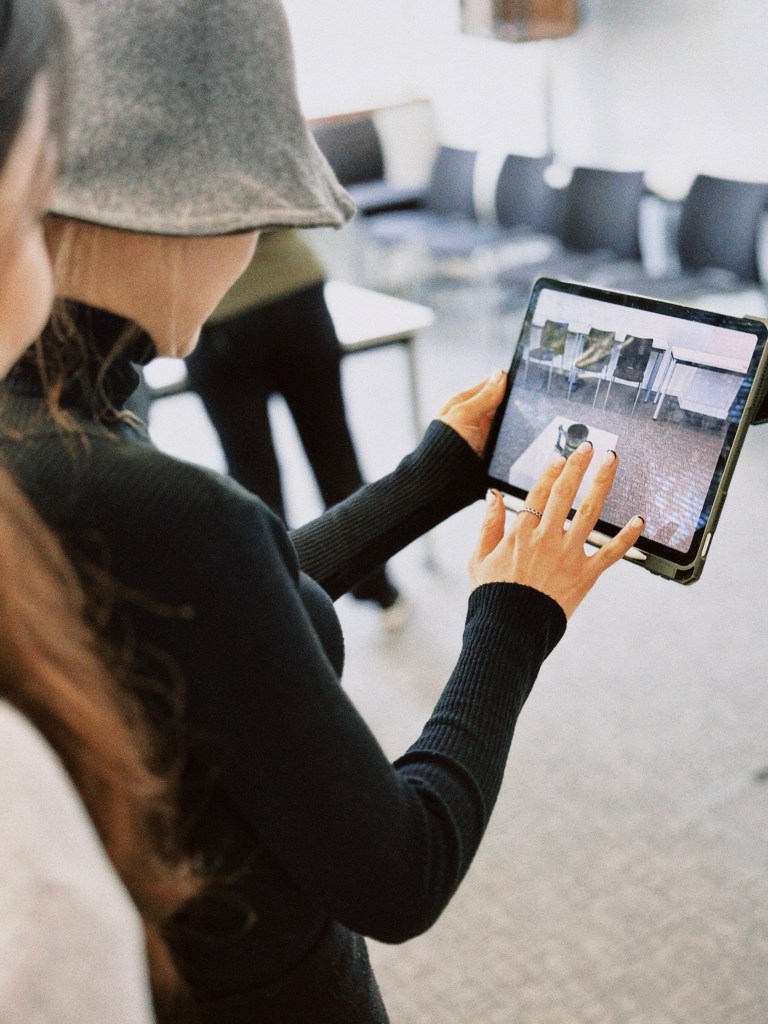
The second phase introduced 3D scans of the same objects through an Augmented Reality (AR) viewer on iPads. Placing the vessels virtually on a museum-style plinth in the centre of the room, participants compared the embodied impact of this mixed reality visualisation to their earlier tangible experiences.
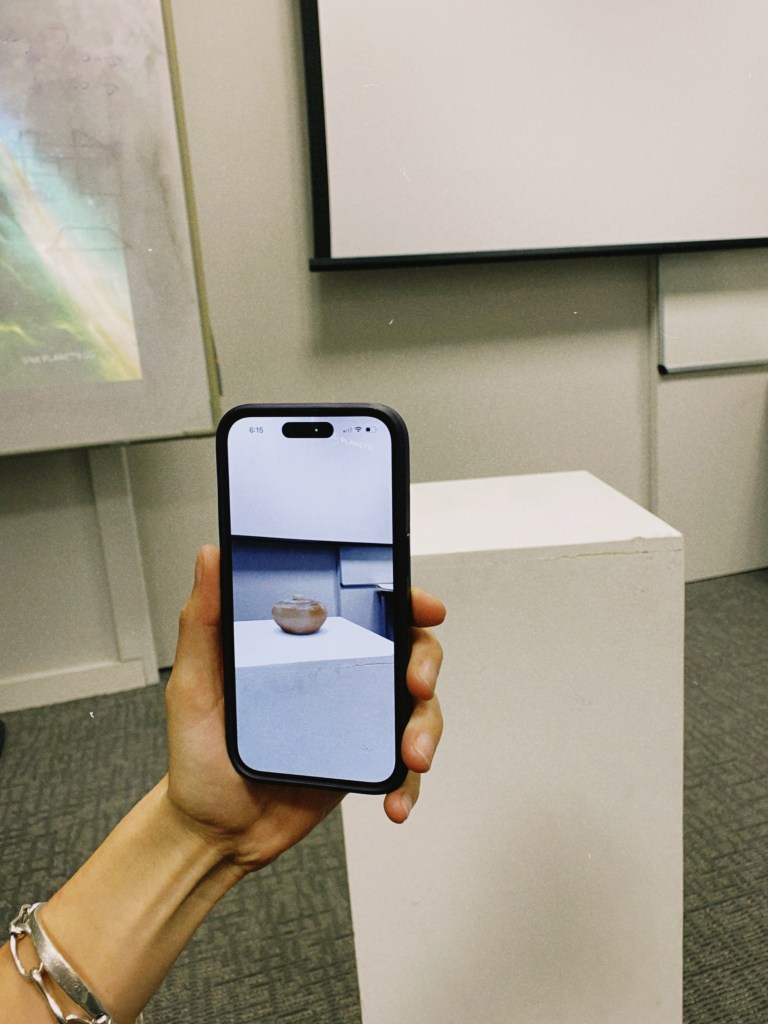

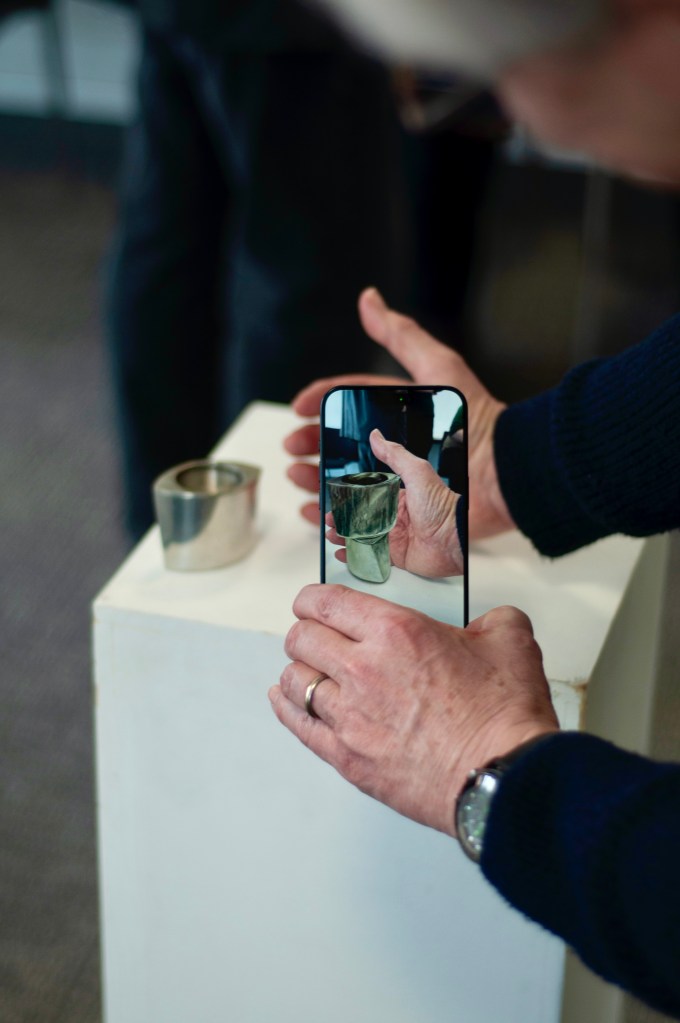
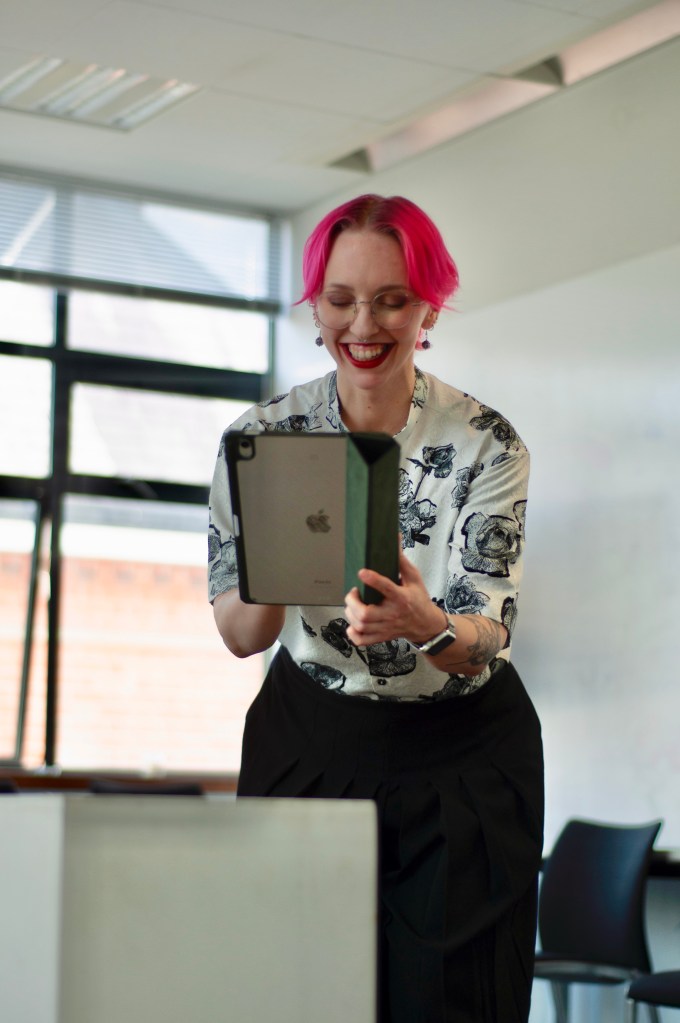
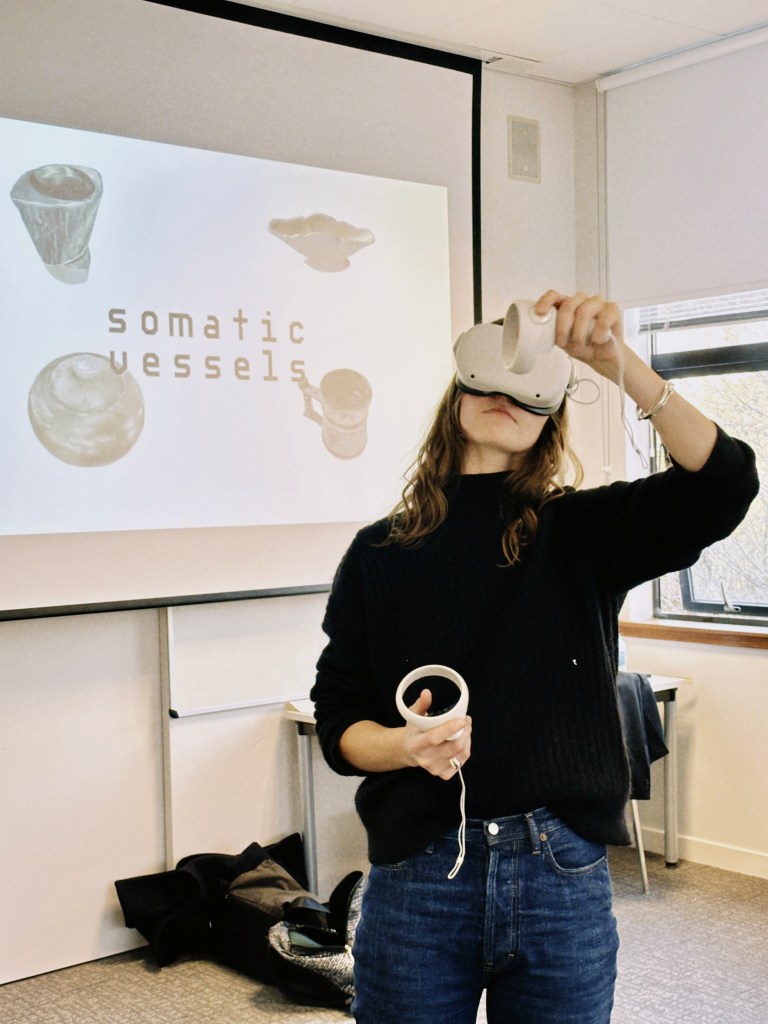
The final and participatory element immersed visitors in Virtual Reality (VR), but with a twist. Instead of replicating the tangible objects, participants used the 3D painting app, Open Brush, to create their own virtual vessels. Guided by my pre-created examples, users experimented with various brushes, mimicking tangible materials in the virtual space. This unique approach allowed for free creation, observation, and application of the experiment’s core principles of slow engagement.
The VR experience was fantastic. It was my first time trying it. I followed the engagement prompts but I didn’t really create a vessel of my own. I took the chance to explore the tool with the vessels themselves. The VR experience was a chance for me to get really close to objects and see them meticulously and play with them, not in a way that I would pose a threat to them like in reality.
-Cloris Lai, Museum Studies Graduate Student
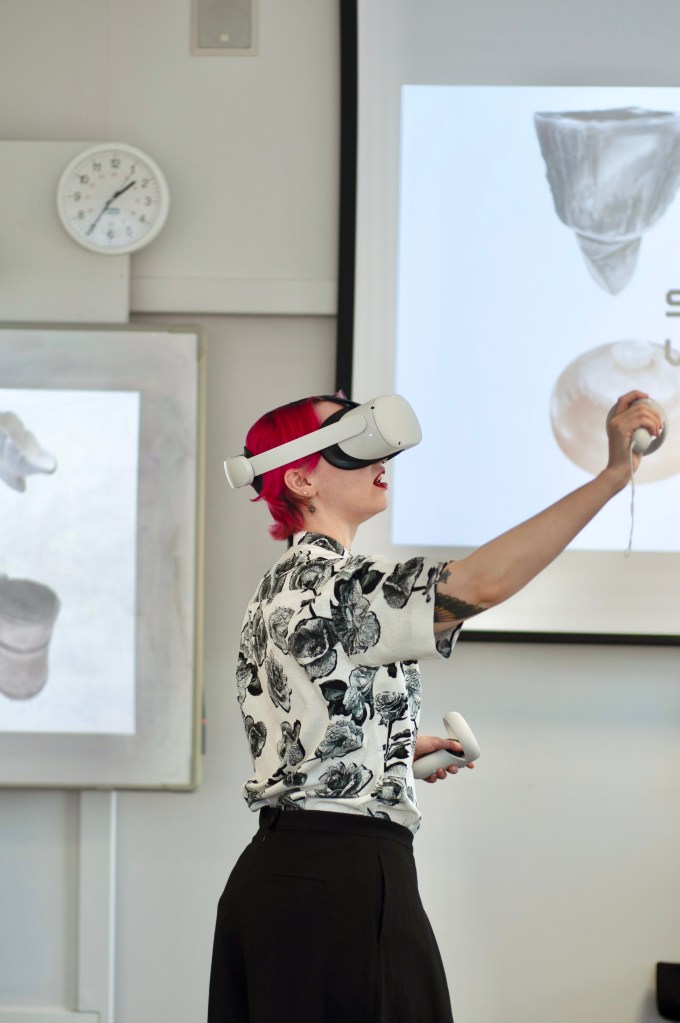
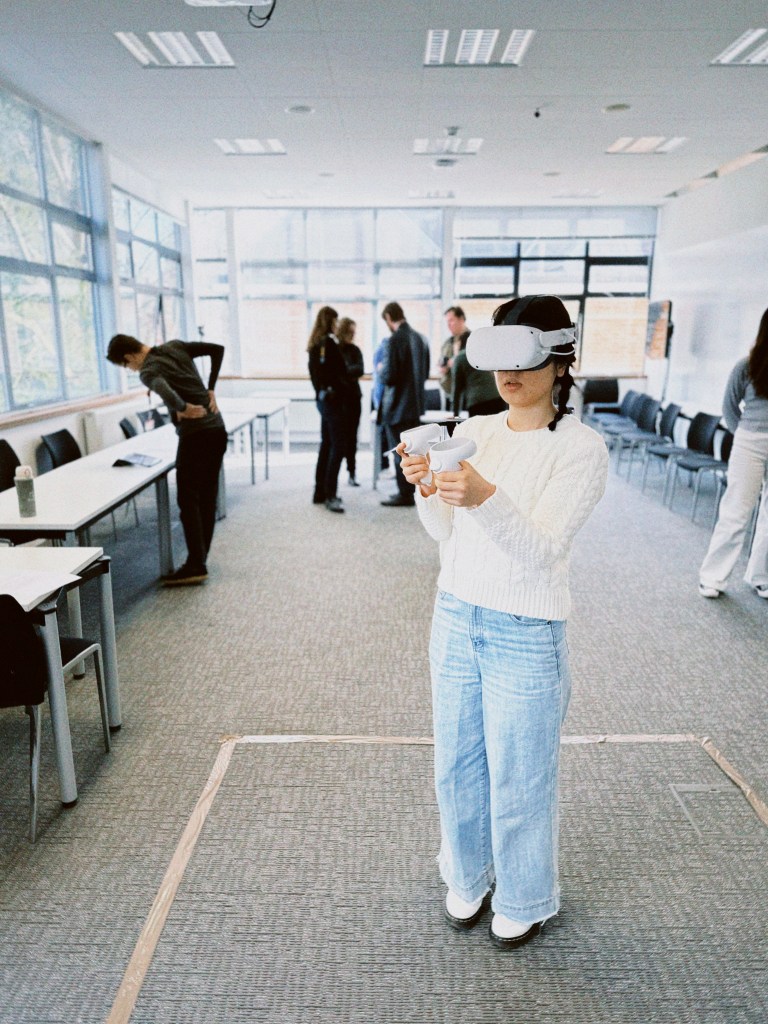
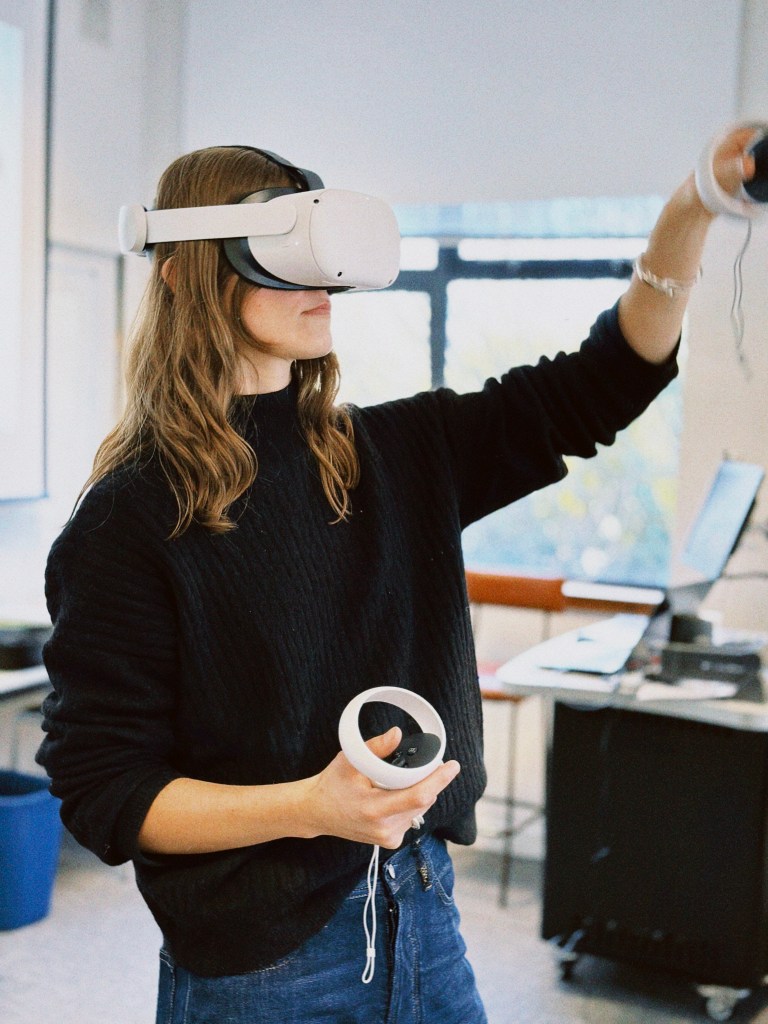
The event drew a significant attendance from graduate students within the Museum Studies department. For many, it marked their inaugural first-hand experience with VR, unveiling the exciting potential of emerging technologies in shaping immersive digital culture.
This collaboration between Jenna and myself exemplifies the transdisciplinary ethos at the heart of the Institute for Digital Culture. We both stepped outside our specialities, learning new skills to orchestrate this multi-modal, forward-thinking event.
 SHELBY NAVONE