
Title: Creating Accessible Digital Culture Experiences and Research Practices with and for Autistic Adults
2024-2027, University of Leicester, Institute for Digital Culture Fellow, Future 50 Studentship
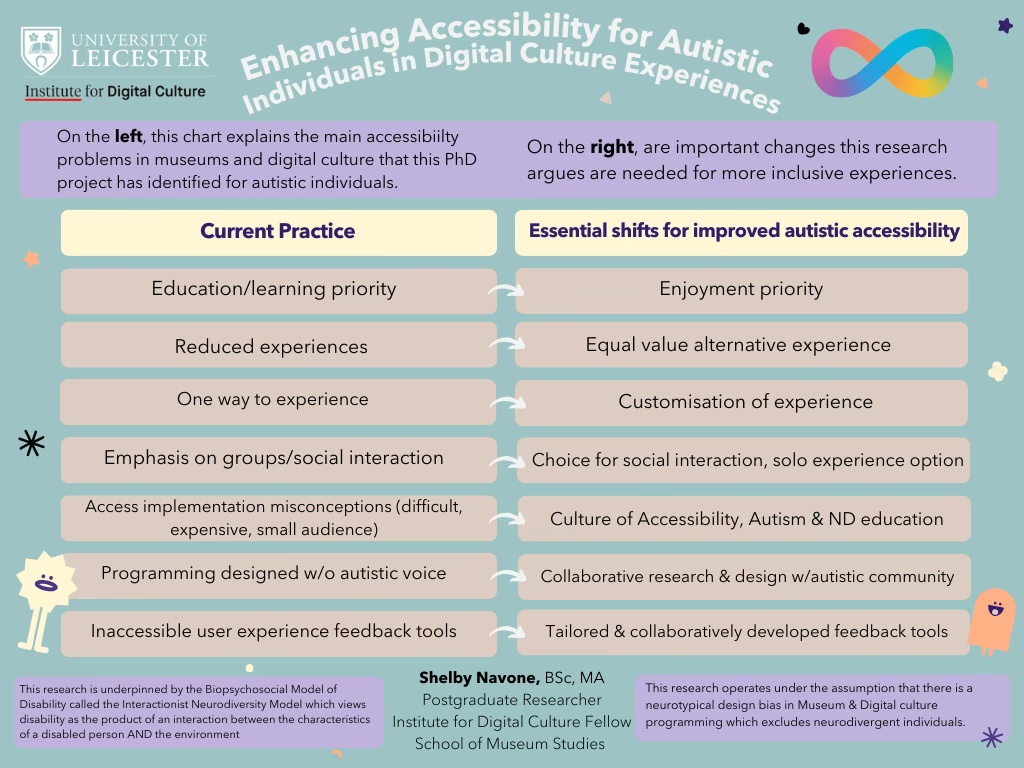
Current digital culture programming and research often overlooks the experience and enjoyment of autistic adults and are made without autist input. When programming is designed with neurodiversity or autism in mind, it predominantly offers a reduced experience, centres pedagogical or behavioural modification goals, and is geared towards children. This research identifies and challenges prevailing neurotypical assumptions made when designing digital for the culture sector and focuses on the autistic adult’s experience. It aims to impact and reposition digital culture programming to centre neurodivergent joy and neuroinclusivity by developing frameworks to do so.
Aims
- Improve digital culture accessibility with and for autistic adults in museums and extended reality (XR) experiences.
- Understand the autistic adults experience with current digital culture experiences in museums and extended reality (XR) environments.
- Identify neurotypical biases and neurodivergent barriers in digital culture design and academic research processes.
- Advance neuroinclusive digital design and research processes in the culture and design sectors.
Objectives
- Develop a neuroinclusive research project in collaboration with the autistic community.
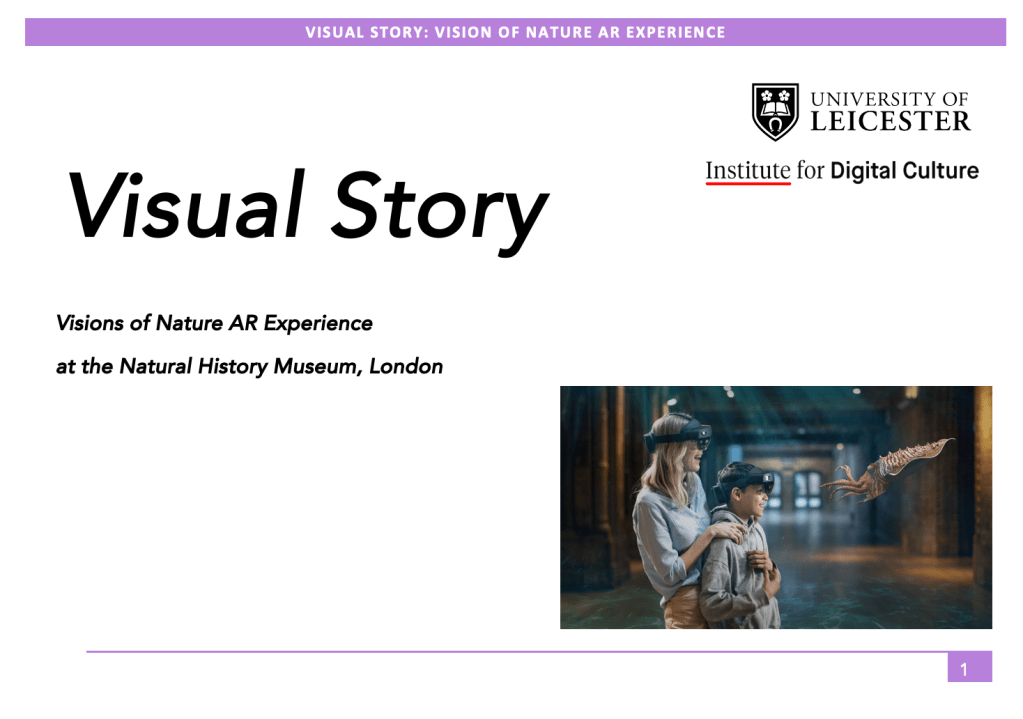
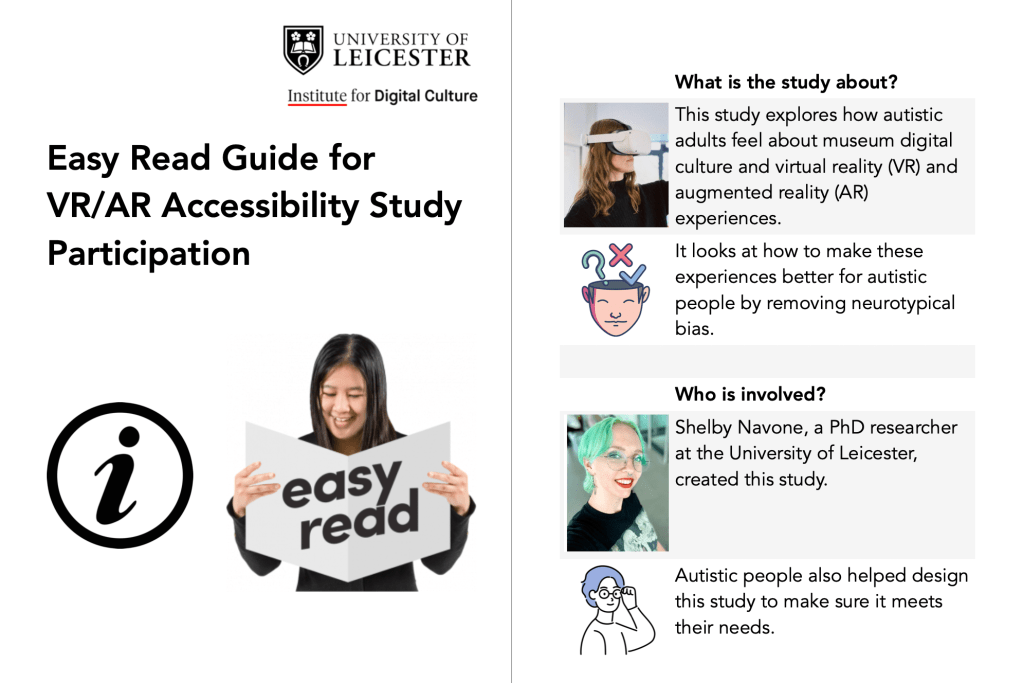
2. Produce accessible participant preparation materials, including video guides, Easy Read guides, and visual stories.
3. Work iteratively with focus groups of autistic adults throughout the research design, development, pilot, and data gathering phases.
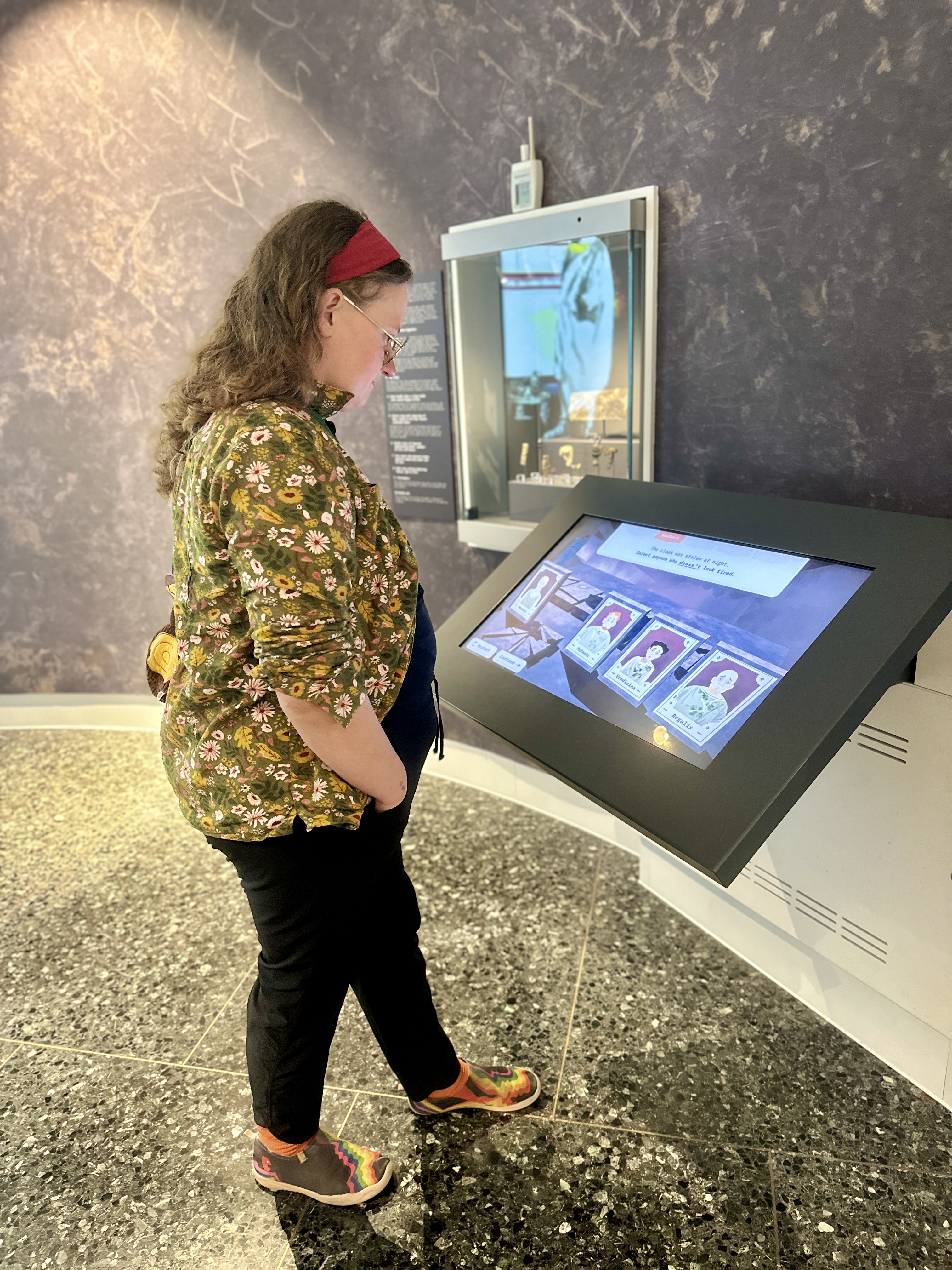
4. Test existing digital culture experiences with autistic adults through three case studies across various XR technologies and multimedia installations (described below).
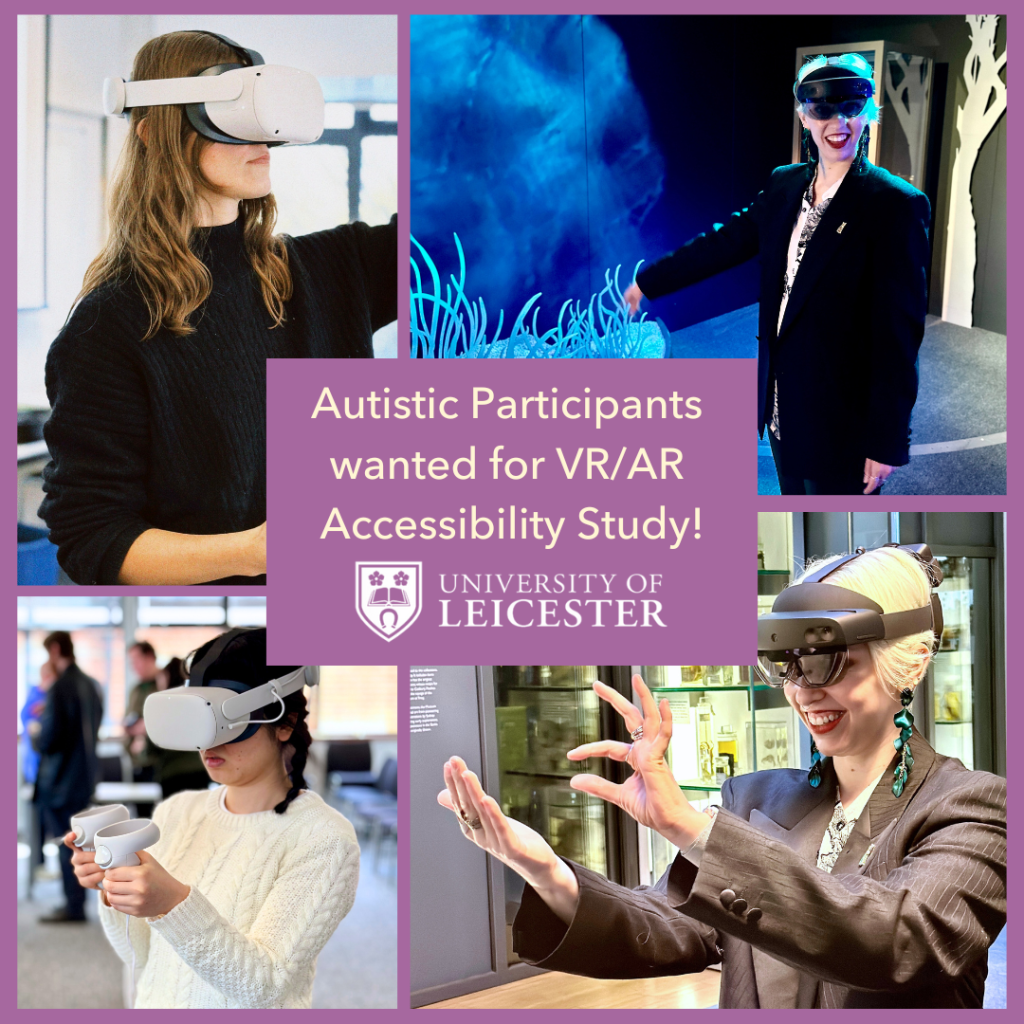
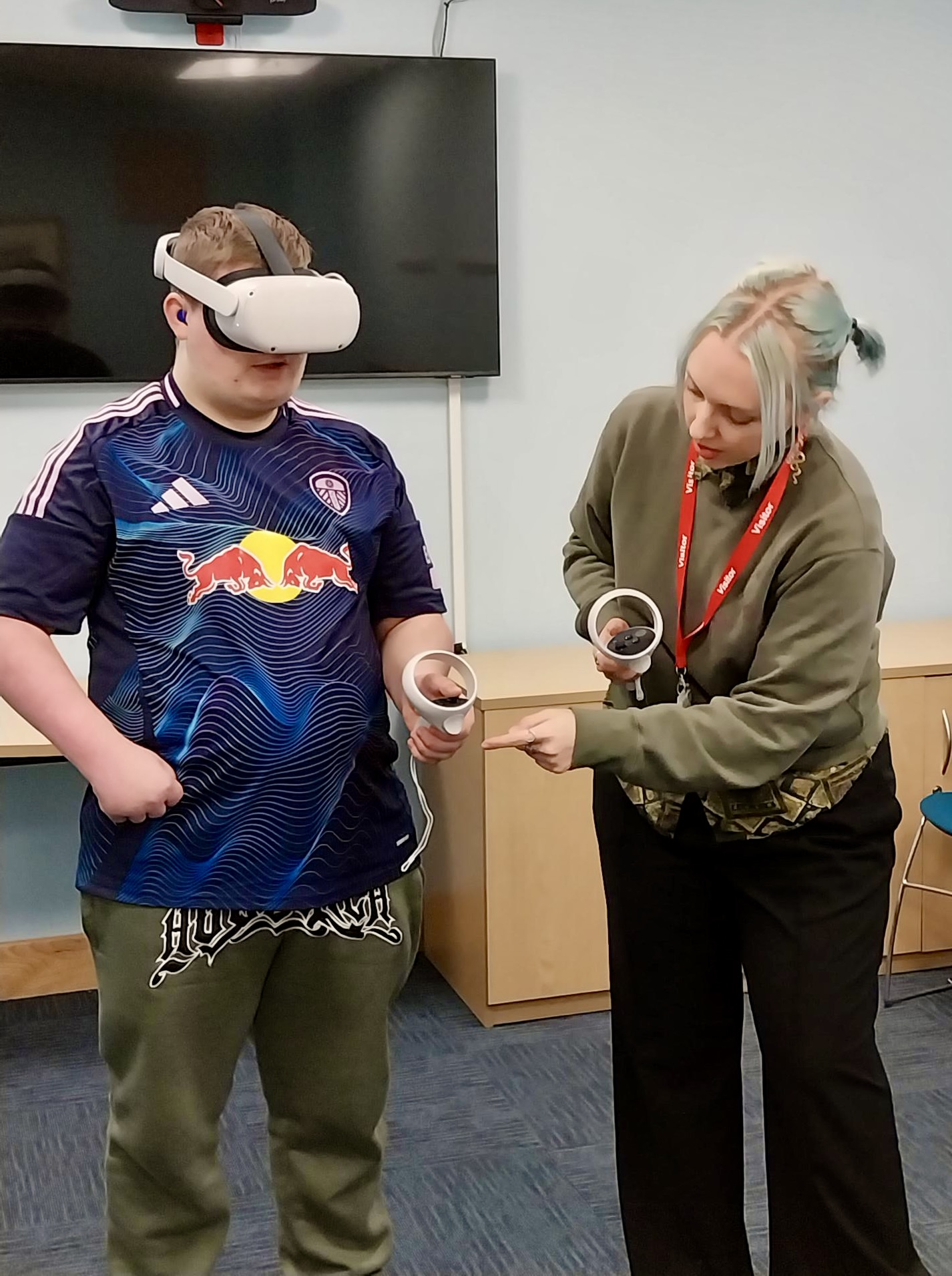
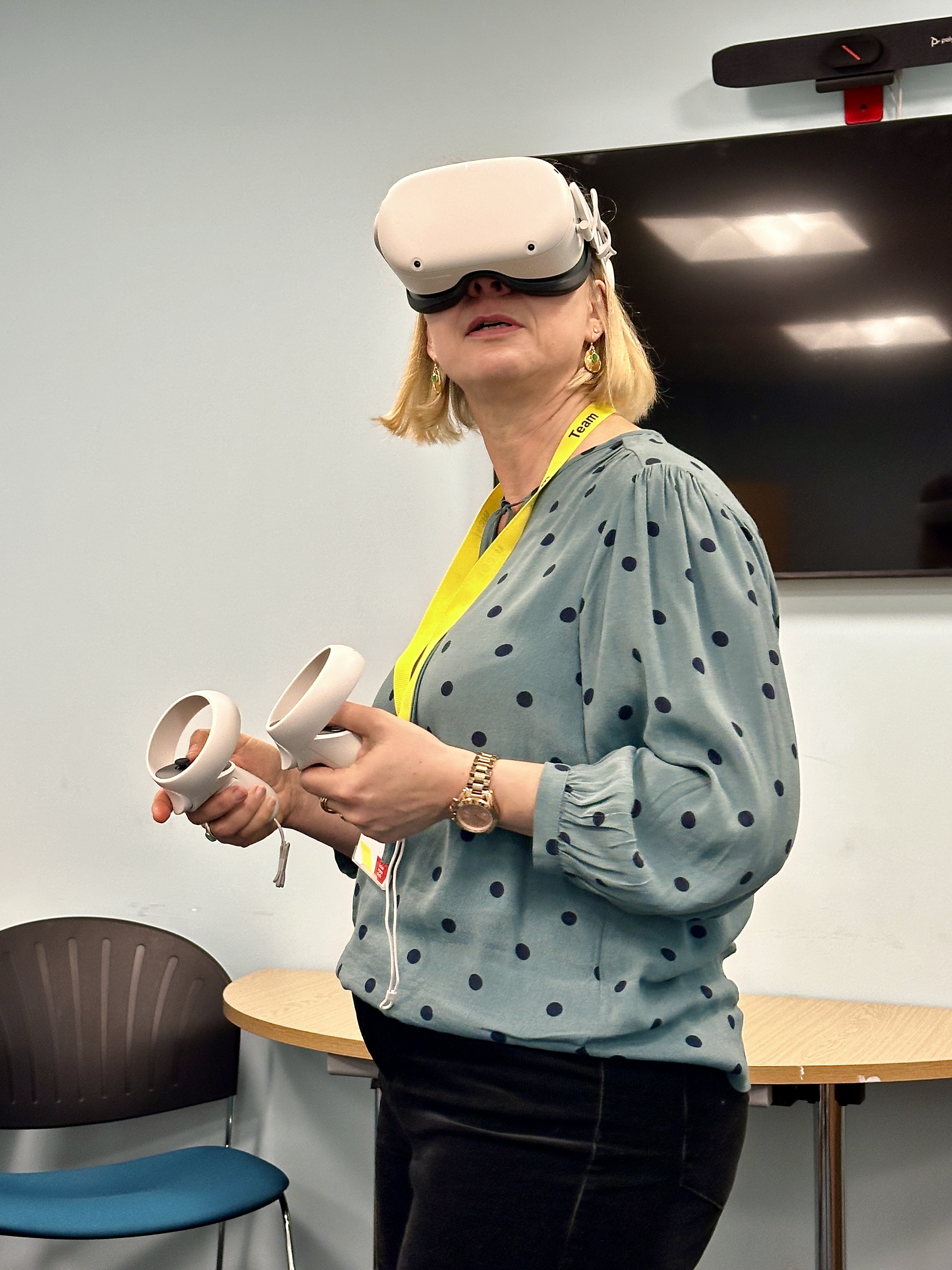
Study 1: Virtual Reality (VR) testing facilitated by the researcher at the University of Leicester’s Innovation Hub, in collaboration with MBD Limited.
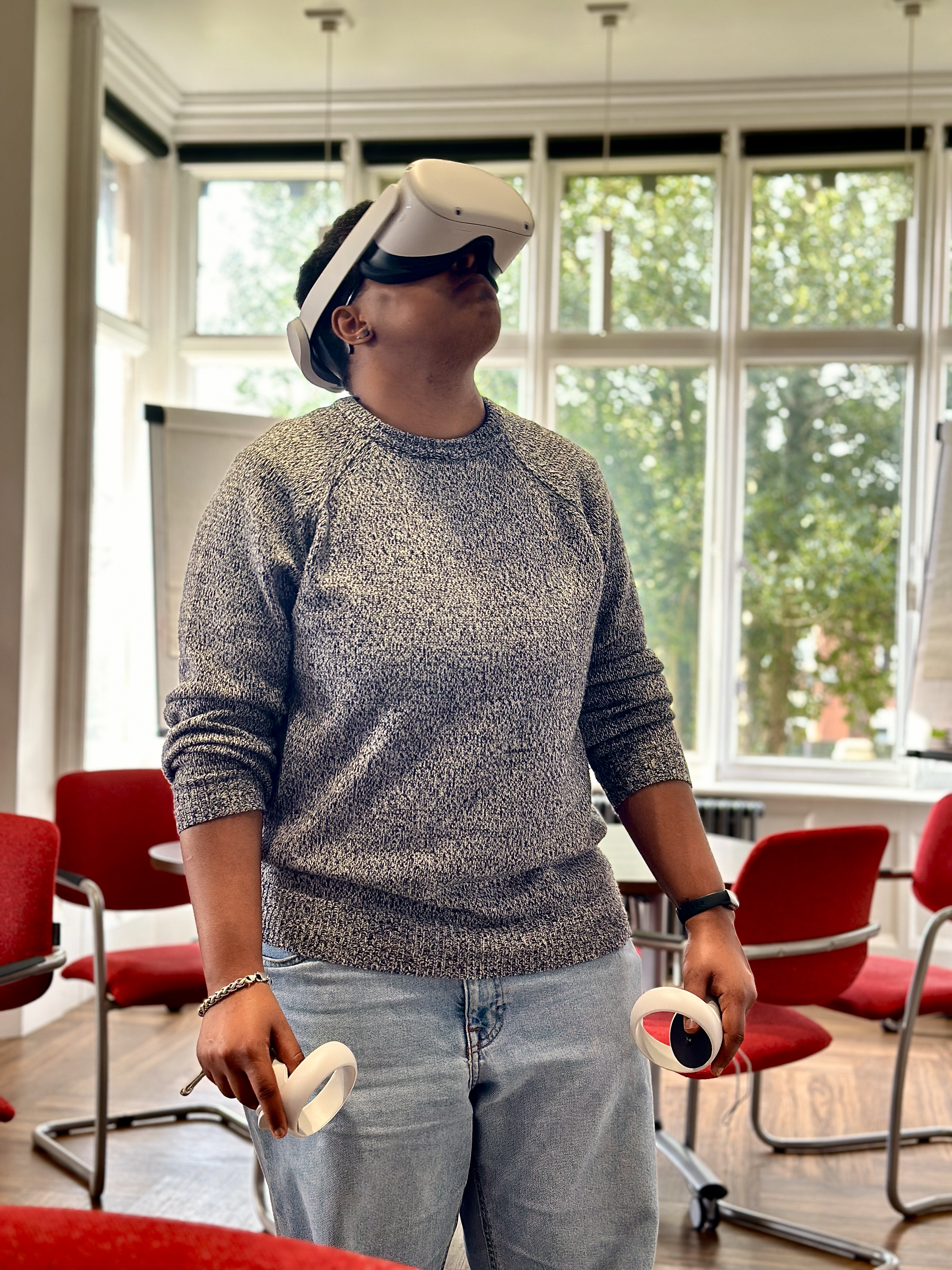
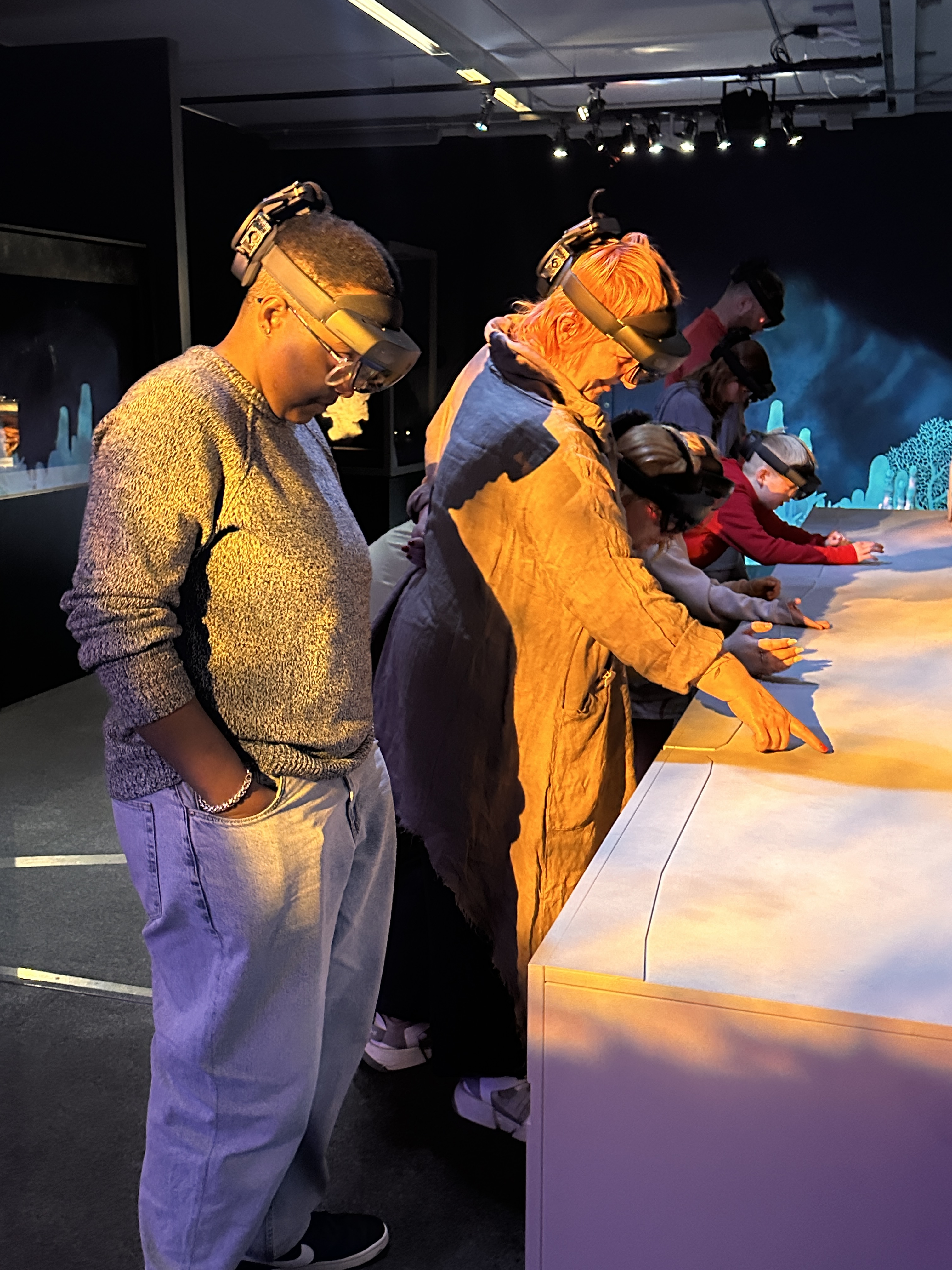
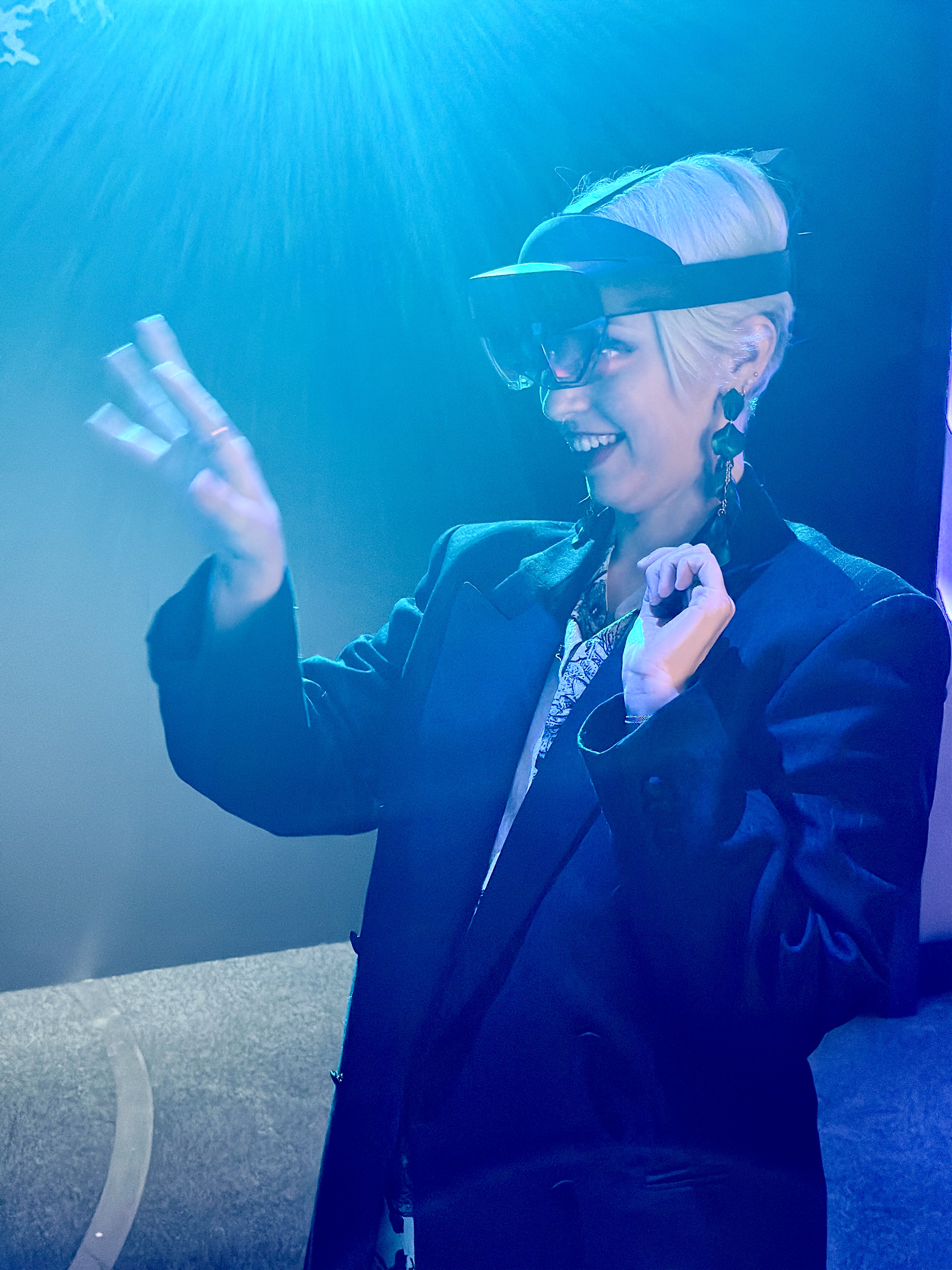
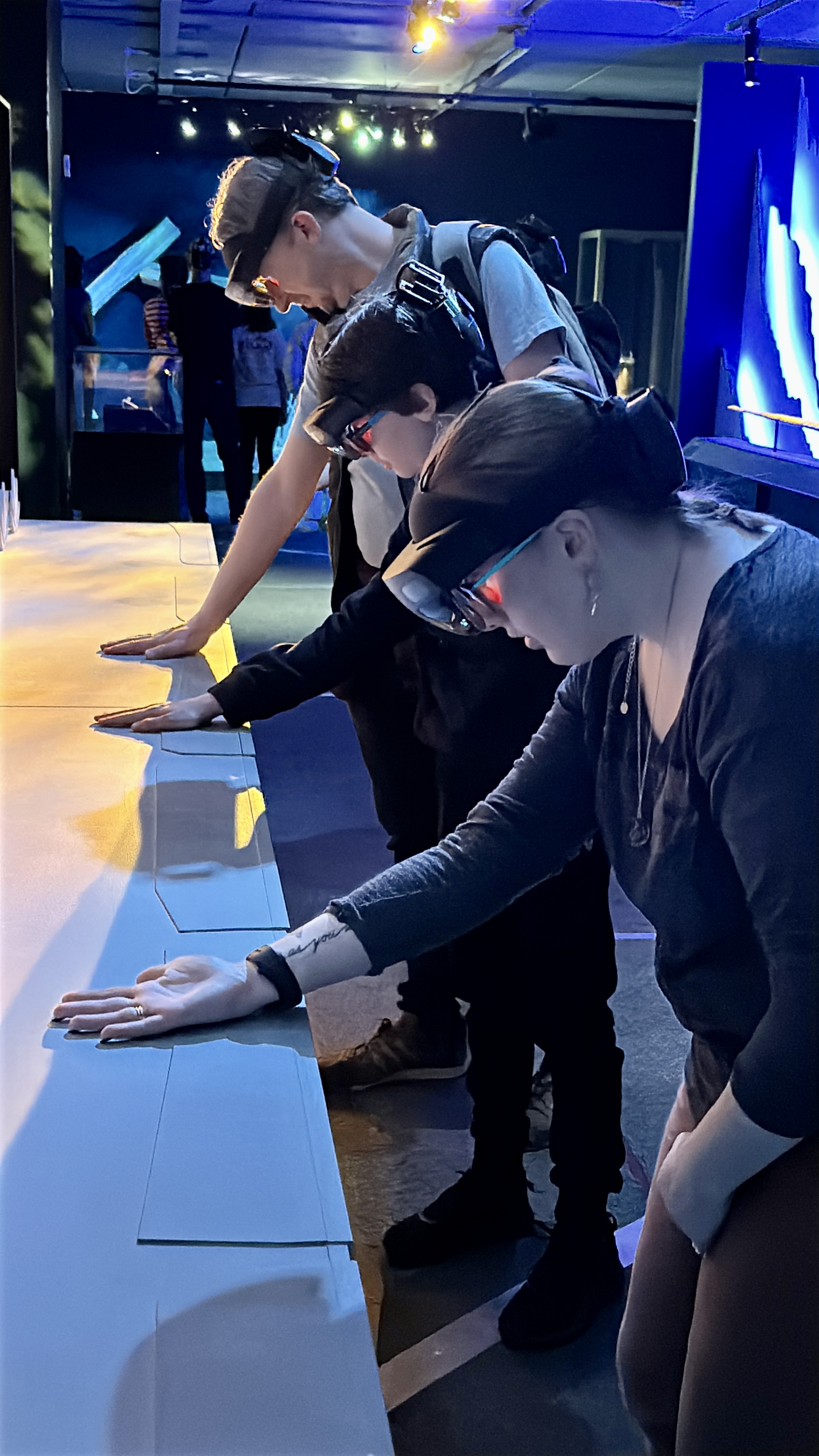
Study 2: Mixed Reality (MR) testing at the Natural History Museum in London to test the Microsoft HoloLens experience, Visions of Nature.
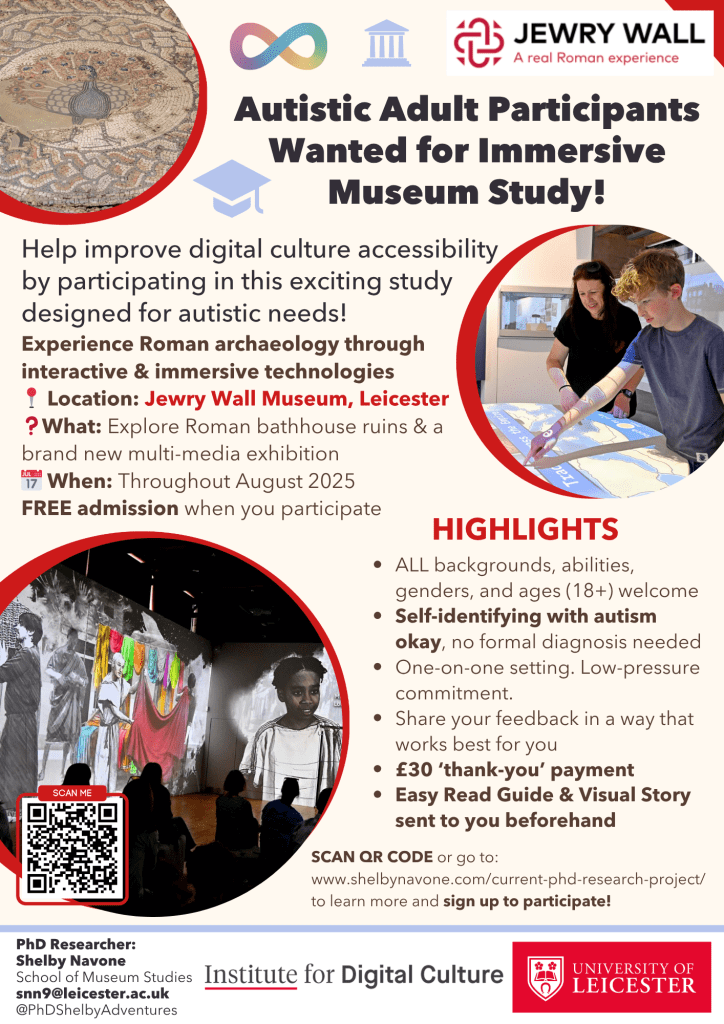
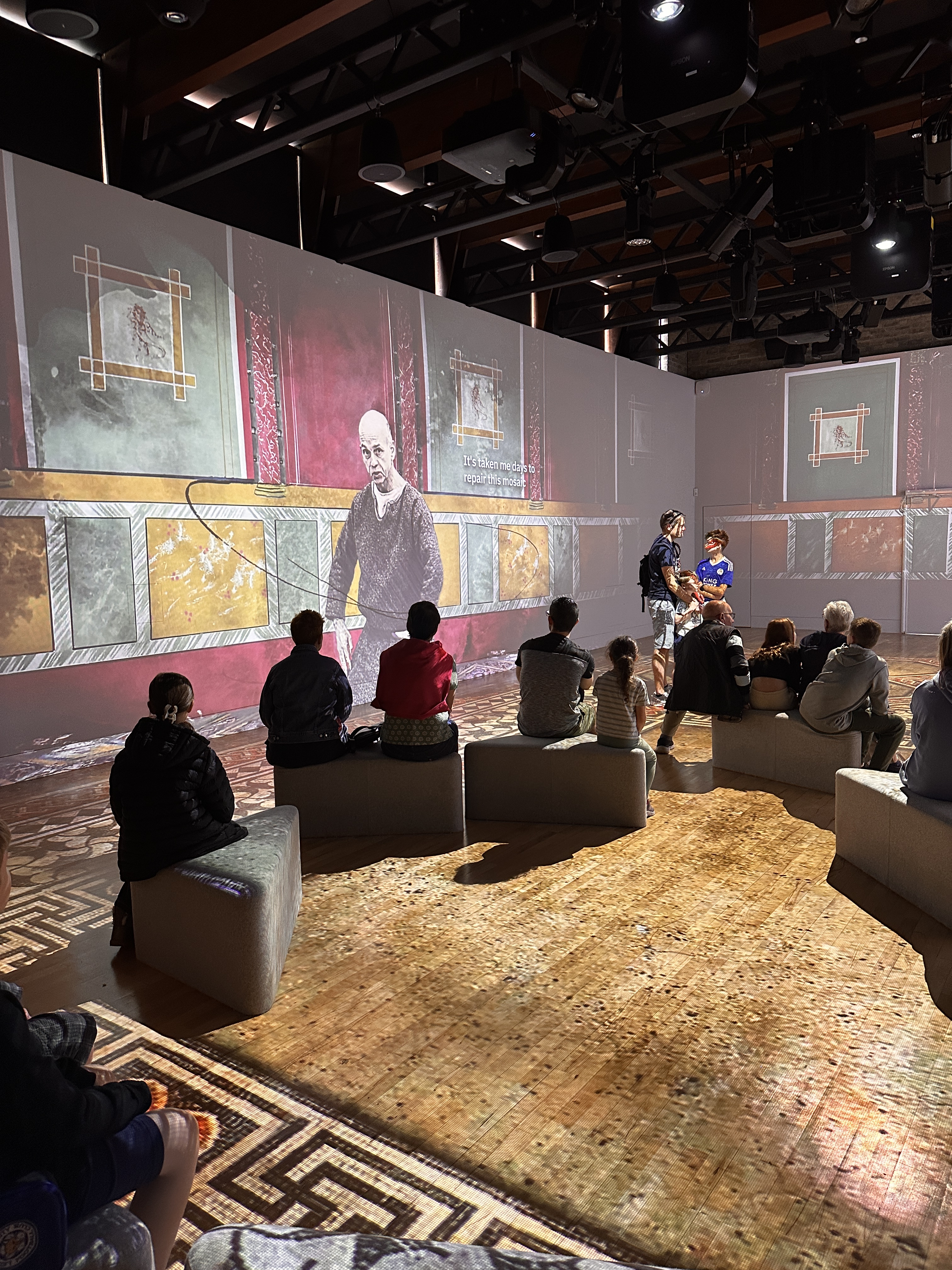
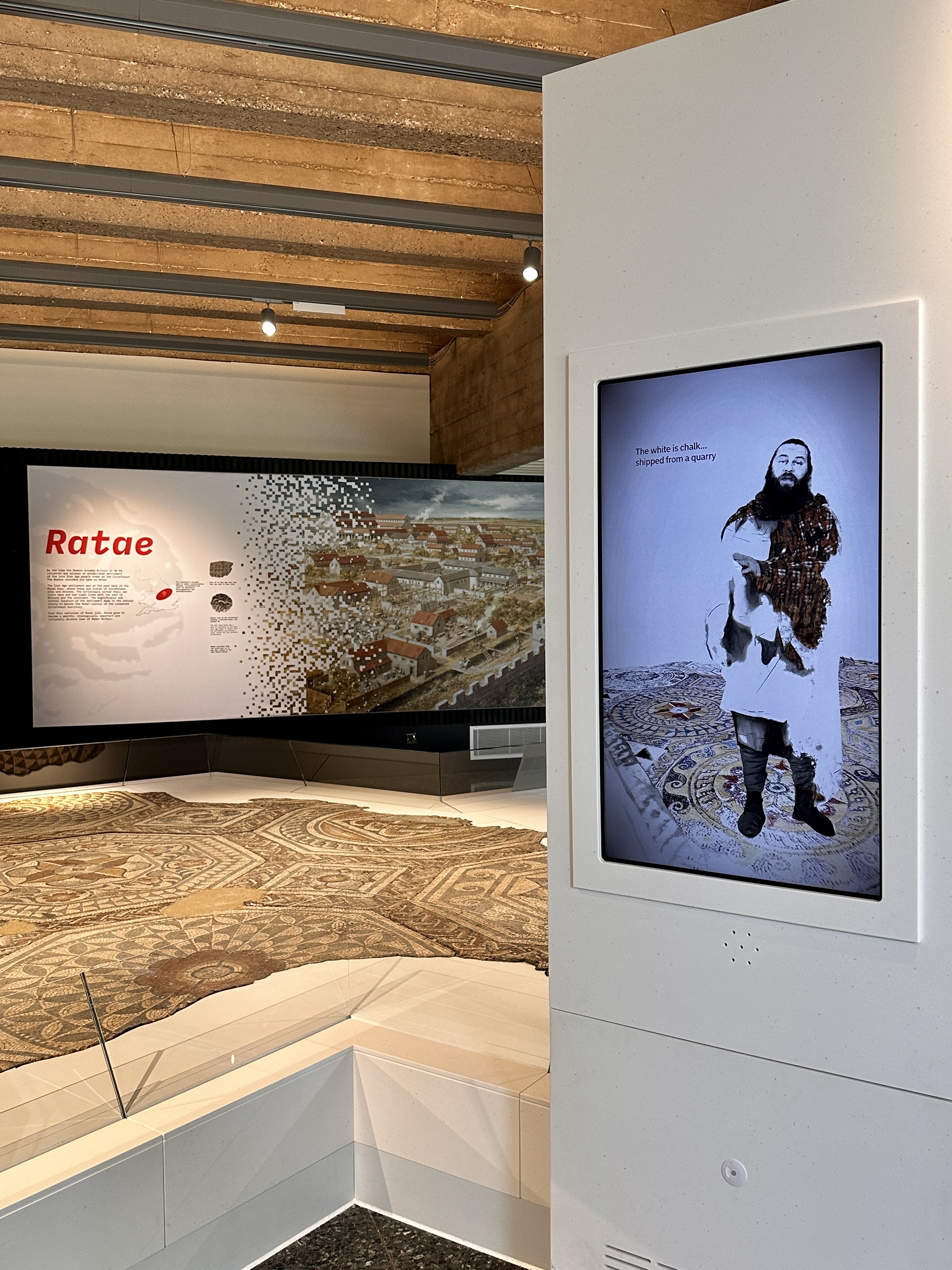
Study 3: In-gallery multimedia testing at the Jewry Wall Museum in Leicester to experience their brand new immersive multimedia permanent exhibitions.
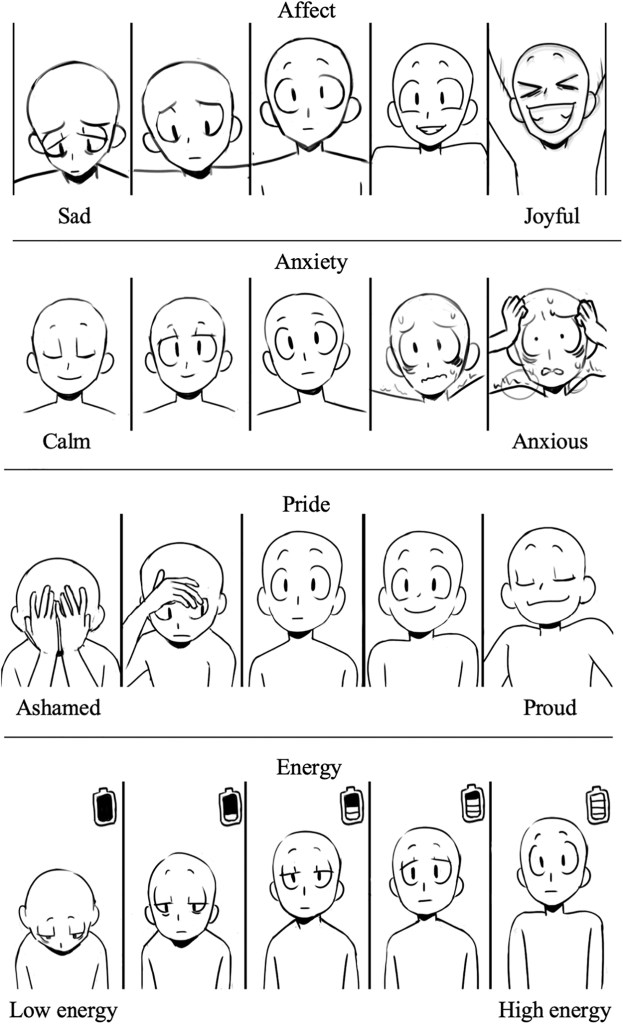
5. Gather qualitative and quantitative participant data through accessibly designed feedback gathering methods. Participant choice to provide feedback in-person, through delayed video/phone calls, or written responses.
Figure: ‘Multidimensional Visual Scale Assessing Affect, Anxiety, Pride, and Energy (AAPE)’ (Riccio et. al, 2020).
6. Perform qualitative and quantitative data analysis to identify key themes and trends. Assess the impact of Interactive Cultural Heritage (ICH) features (Olaz et al., 2022) on autistic adult experiences and enjoyment.

7. Develop new frameworks for neuroinclusive digital culture design and research processes that can be applied across a wide-range of XR technologies and multimedia installations.
Theoretical Framework
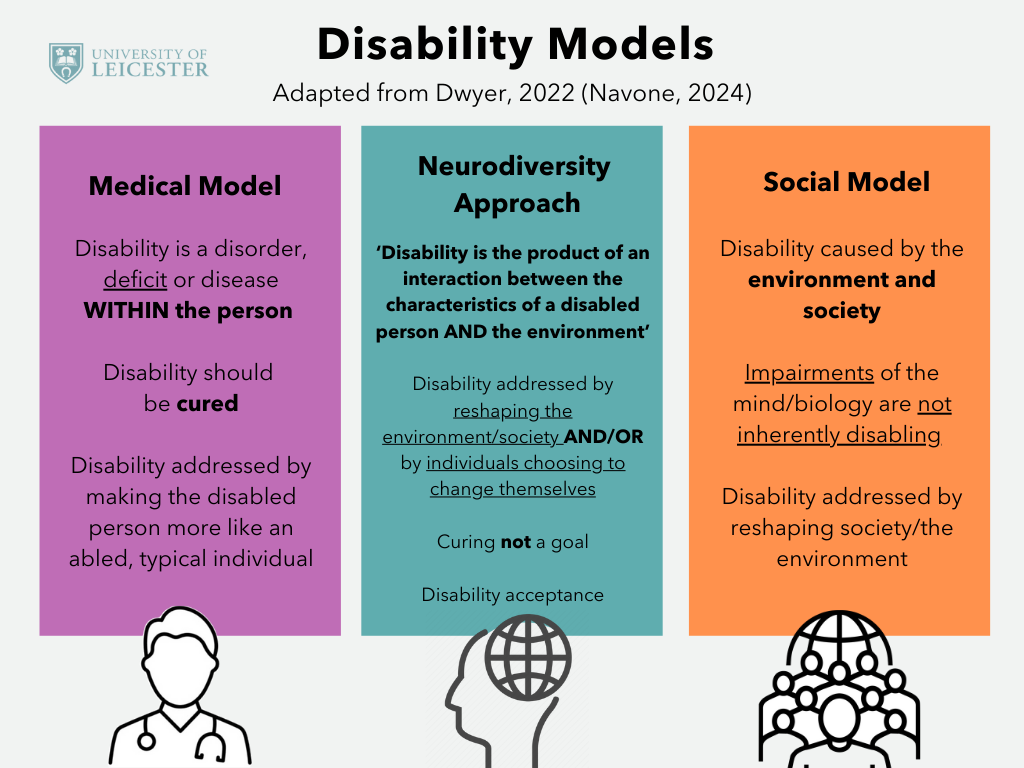
Grounded in autism and critical disability studies, this project is guided by the Interactionist Neurodiversity Approach, a Biopsychosocial model of disability that values neurological diversity and advocates for acceptance of neurominorities. This model has informed my research practices and disability language usage to align with current disability discourse.
Participants
I warmly welcome autistic adults of all backgrounds, genders, abilities, and ethnicities to participate. Participants must be 18 or older and identify as autistic to any degree. To remove barriers to participation, no formal diagnosis is needed. Between 30-60 participants will be involved and all will receive a ‘thank you’ payment for their time and contribution.
Ethics
Ethical considerations are central to this research. This work strives to be a progressive example of socially informed, disability rights-centered research by involving autistic adults as collaborative partners in the research design and development phases. Guided by autistic and disabled professionals and informed by cognitive theories and autism research, I adapt communication methods to meet participants on their terms and operate with the highest level of sensitivity and respect. ‘Thank you’ payments are given to all participants involved. I am committed to respecting participant needs and preferences and ensuring a safe and supportive environment.
Funding & Affiliation
In line with ethical research practices, all participants have been compensated for their time and expertise with funds won from the Steven Simmons Bursary. This project is funded by the University of Leicester’s Future 50 Studentship and is supported by the Attenborough Arts Centre and The Sensational Museum. This PhD is supervised by Professor Ross Parry, Director of the Institute for Digital Culture and Dr. Andrew Hugill, Deputy Director of the Institute for Digital Culture.
Contact & Participation
If you are interested in this project, please feel free to contact me through any avenue listed in my contact page linked below.
 SHELBY NAVONE